
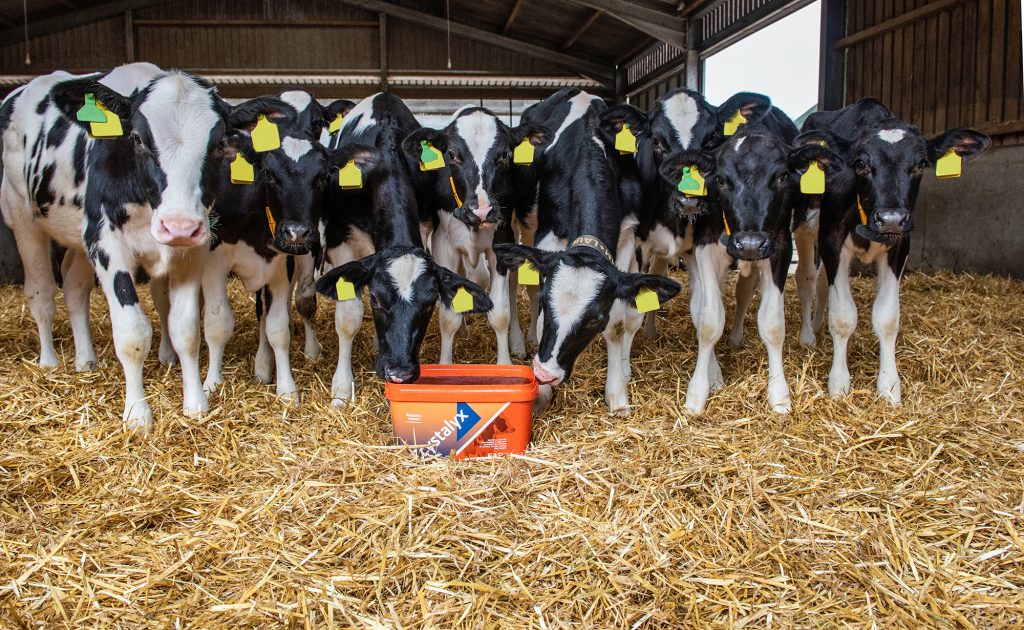
Livestock farmers are being urged to prioritise respiratory health as winter housing begins, with the knock-on effects of summer drought adding to seasonal feeding pressures.
As winter approaches and many cattle begin moving indoors, farmers face the challenge of supporting livestock health with potentially limited volumes of quality forage stocks.
Dr Richard Wynn, head of global research and development at Fevara, says maintaining respiratory health for housed cattle is particularly important as temperatures fall and wetter conditions become more prevalent.
“These weather conditions, teamed with confined housing can create a perfect breeding ground for pathogens, particularly respiratory illnesses, like pneumonia,” he says.
Managing forage shortages during winter housing
With some farmers having already opened silage clamps earlier than planned to compensate for poor grazing, managing forage stocks and ensuring rations meet livestock requirements will be a fine balance throughout winter.
Bought-in forage, alternative feeds or changes to existing rations may be needed to stretch supplies, making it essential to maintain a balanced diet as animals transition from grazing to housing.
“If the ration isn’t quite balanced, levels of immunity can be sub-optimal, leaving calves especially vulnerable,” says Dr Wynn.
“It’s at times like these that it can be worth supplementing the ration, to help the transition from feeding outdoors to indoors.”

Supporting cattle respiratory health through nutrition
For example, Crystalyx Easy Breather provides nutritional support to livestock during winter housing to help manage the risk of respiratory challenges, combining a unique blend of mannan oligosaccharides (MOS) and β-glucans to help bind harmful pathogens in the gut and support a strong immune system.
Dr Wynn states that while supplementation is not a replacement for good management practices, when used appropriately, it can support livestock in coping with environmental stressors to support overall health and performance.
“Using a low-moisture, high-energy molasses lick can stimulate starter feed intake,” he says.
“For very young calves, this helps to develop the rumen earlier, make better use of available forage and take in the nutrients they need to cope with respiratory challenges.
“For farmers grappling with the difficulties of the changing weather and forage quality, a feed lick that contains natural menthol and eucalyptus oils can support animals in being more relaxed and provide a proactive approach for housed livestock this winter.”
Support your livestock through winter housing with Crystalyx Easy Breather
Crystalyx Easy Breather is a high-energy, low-moisture feed lick designed to provide nutritional support to livestock during periods of respiratory challenge.
Key benefits include:
· Supporting respiratory health – contains natural menthol and eucalyptus oils to help livestock cope with respiratory challenges.
· Supporting natural immunity – provides nutritional support to help animals cope with the additional pressures of winter housing.
· Encouraging feed intake – helps stimulate feed intake and supports efficient forage utilisation, particularly in young calves.
Discover how Crystalyx Easy Breather can help support your livestock this winter.
Find your local stockist
Winter housing brings fresh challenges for livestock farmers following summer drought
Livestock farmers are being urged to prioritise respiratory health as winter housing begins, with the [...]
Oct

Year-round nutrition for extreme hill farming
On the Isle of Arran, Callum Lindsay combines soil testing, better forage, targeted trace elements [...]
Sep
Supporting livestock performance when summer grass is lacking
Hot, dry weather can leave cattle and sheep with less to graze, just as heat [...]
Jul
Spring grazing puts spotlight on need for 360-degree nutrition planning
With grazing now well underway, farmers are being warned that relying on grass alone without [...]
Jun
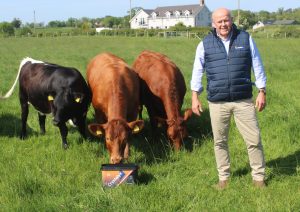
Summer Mastitis and Fly Control: Why Changing Weather Conditions Matter
The recent spell of hot weather followed by showery conditions has created ideal circumstances for [...]
Jun

Great British Beef: Strengthened Across the Whole Supply Chain
Farm shops and butchers play a vital role in bringing high‑quality British beef to consumers [...]
Apr
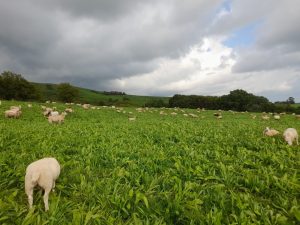
Protecting performance of forage-first livestock approach with mineral licks
When seasons swing from dry spells to wet autumns, it’s the knock-on effect that can [...]
Apr
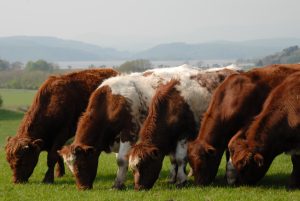
Good weather doesn’t guarantee good grazing
Farmers are being reminded that grazing conditions are still far from ideal, and livestock nutrition [...]
Mar
